Guide to Portion Control and Eating Out
Being aware of portion sizes can help support health and weight management over time. Regularly eating too much or too little of certain foods may affect energy levels, appetite, weight and overall health.
We have detected that you are located in . Do you want to switch to the local site?

© via Canva.com
Nutrition Guide. Sinead O'Donovan, Dietitian and Performance Nutritionist, RD, MSc.
Healthy eating is not a strict set of rules or a “perfect” way to eat. It is a flexible approach that supports health, wellbeing and everyday life, taking into account preferences, routines, culture and individual needs.1,2
For people living with overweight or obesity, the most effective approaches focus on regular meals, adequate nutrition and habits that can be sustained long term. Research shows that supportive, individualised strategies are more effective than short-term fixes or restrictive plans.3-5
Healthy eating looks different for everyone. This section focuses on simple, practical foundations that support health, nourishment and consistency over time.2
Eating regularly is a key part of healthy eating. Having meals and snacks at consistent times helps support energy levels and appetite regulation.6,7
Skipping meals, delaying eating for long periods, or under-eating earlier in the day can make hunger harder to manage. This often leads to stronger hunger, cravings and overeating later on.2,6
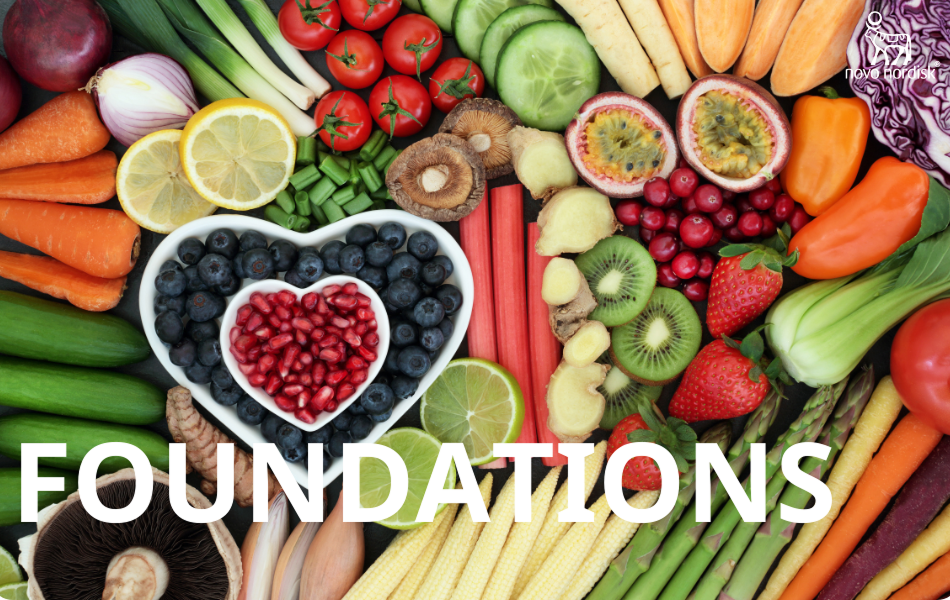
A balanced eating pattern includes protein, carbohydrates and fats, along with a variety of colourful foods such as leafy green vegetables (for example spinach and broccoli), orange vegetables (such as carrots and peppers), berries, tomatoes and other fruits, and wholegrain carbohydrates like oats, brown rice and wholemeal bread. Each plays an important role in supporting health and weight management1,7
Protein plays an important role in overall health by helping to maintain muscle mass, which is important for physical function and metabolic health, particularly during weight loss.3,5 Including protein at meals can help you feel fuller for longer, reduce hunger between meals and support steady energy levels throughout the day.2,3
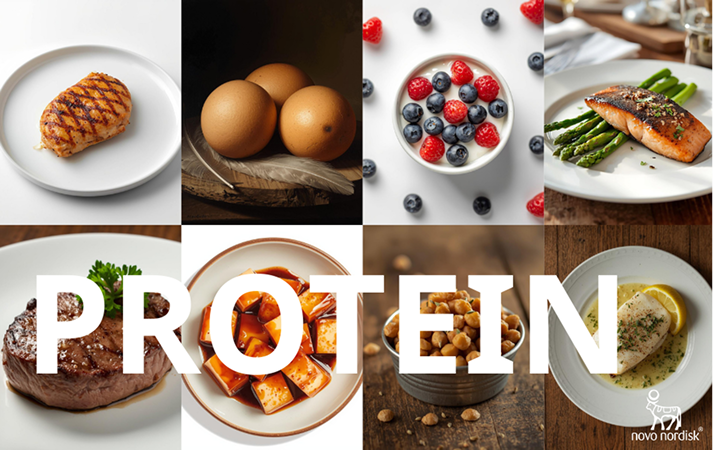
Aim to include a variety of protein sources such as meat, poultry, fish, eggs, dairy foods, beans, lentils, tofu and other plant-based options. Spreading protein across meals, rather than relying on one main source later in the day, can help meals feel more satisfying and easier to maintain over time.2
Top Tip: Some types of meat are higher in saturated fat, which can affect heart health. Choosing leaner cuts, trimming visible fat and using cooking methods like grilling, baking or steaming can help.1,6
Including a mix of protein sources such as fish, beans, lentils, eggs and poultry supports a balanced eating pattern. Processed meats, such as sausages, bacon, ham and cured meats, are best eaten less often.6
© via Canva.com, AI Generated.
Carbohydrates are the body’s main source of energy. They support physical activity, brain function and day-to-day energy needs. Including carbohydrates at meals can help maintain energy levels, reduce fatigue and support more consistent eating patterns.2,8
Carbohydrate foods affect blood glucose levels. Some are digested slowly, leading to a steadier rise in blood glucose, while others are digested quickly. Combining carbohydrates with protein, fat or fibre can help slow digestion and support more stable energy levels.8
Carbohydrates that are higher in fibre, such as wholegrains and higher-fibre cereals, help keep you feeling fuller for longer and support digestive health and appetite regulation.1,8
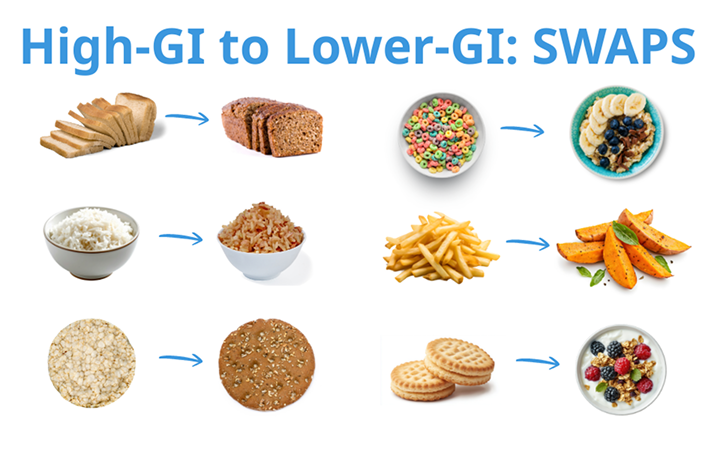
Top Tip: The glycaemic index (GI) describes how quickly carbohydrate foods raise blood glucose. Lower-GI choices and mixed meals tend to lead to a slower, steadier rise in energy.9
You don’t need to avoid any foods, these swaps are simply options to help support steadier energy levels.2
© via Canva.com
Fibre is found in plant foods and helps slow digestion and add bulk to meals, which can support fullness and appetite regulation. It also supports digestive health and is linked with benefits for heart and metabolic health.1,8
Foods rich in fibre include vegetables, fruit, wholegrains, beans, lentils, nuts and seeds.
Adults are recommended to aim for around 30g of fibre per day, although many people don’t reach this amount.8,10
Fats are an essential part of a balanced eating pattern. They help the body absorb certain vitamins, support cell growth and hormone production, protect organs and help keep us warm. Fats also help meals feel more satisfying and can support fullness.1,2
There are three main types of fats:1,6
Fats provide more energy per gram than protein and carbohydrates, so being mindful of portion sizes can help support overall health and weight management.1,8
Fruit and vegetables are an important part of healthy eating. They provide vitamins, minerals and fibre that support digestion, immunity and overall health.1,6
Including a variety of different coloured fruit and vegetables across the week can help you get a range of nutrients. Aiming for around five to seven portions a day is a useful guide.6
Tips to include more vegetables:
1 portion of fruit/vegetable is equal to:2
Staying well hydrated supports energy levels and can help with appetite awareness. When fluid intake is low, tiredness, headaches and poor concentration are more common.1,2
Aim for regular fluids across the day, with higher needs during exercise or warm weather.
Aim for around 6-8 glasses.1,6